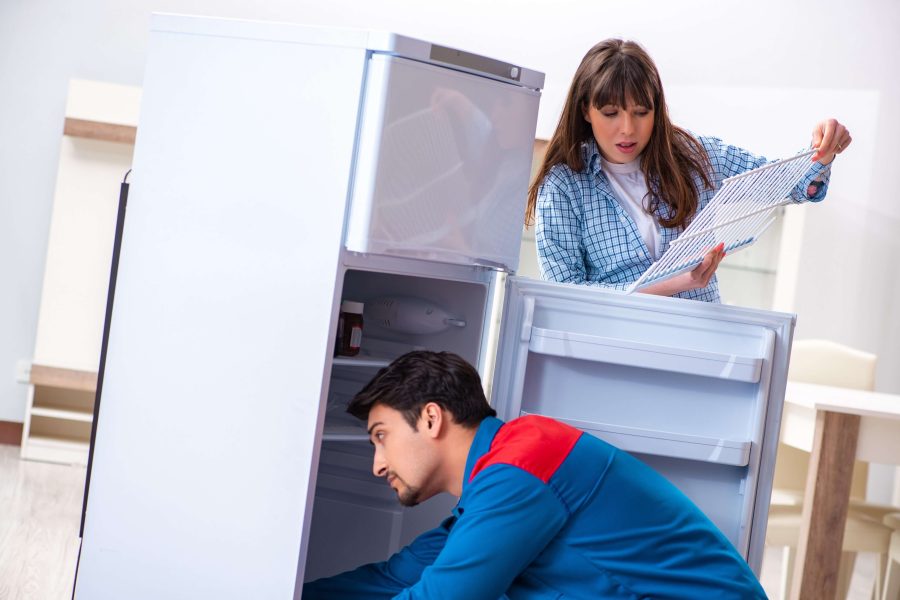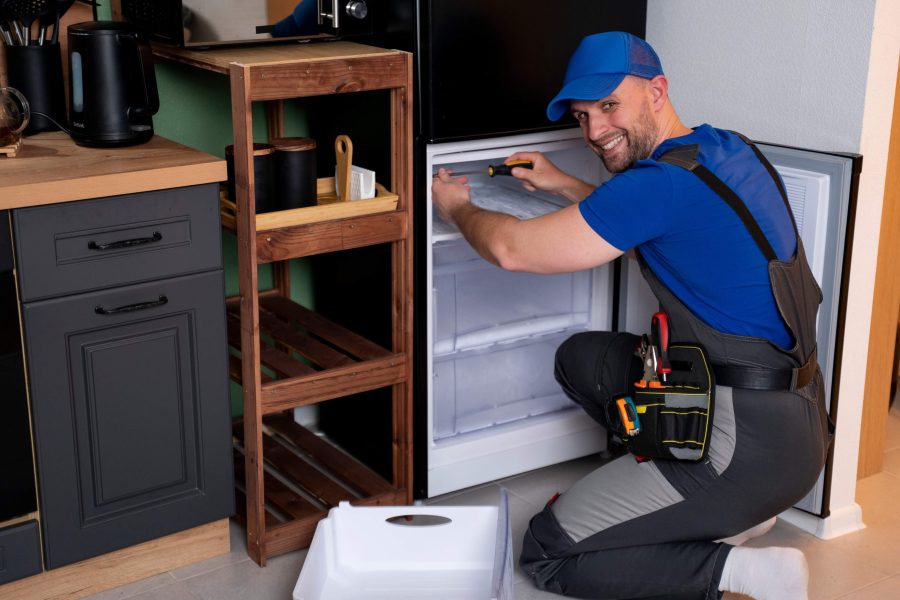
If your refrigerator is making strange noises, it’s usually a sign that something may need attention. While some sounds are a normal part of the appliance’s operation, unusual noises could indicate a minor issue or a more serious problem that requires repair. Understanding the types of sounds and what they mean can help you determine the best course of action to keep your refrigerator in optimal working order.
Common Refrigerator Noises and Their Causes
- Buzzing or Humming
- Cause: A low hum or buzzing sound is generally caused by the compressor, which is responsible for circulating coolant. This noise is typically normal, but if it becomes louder than usual, it could mean the compressor is overworking.
- Solution: Check the coils behind or beneath the refrigerator. Dirty coils can cause the compressor to work harder, so cleaning them can often resolve the issue.
- Rattling or Vibrating
- Cause: Loose parts or items placed on top of the refrigerator can cause rattling noises. It may also occur if the fridge is not level on the floor.
- Solution: Remove items from the top of the refrigerator and check for any loose components inside. Adjust the refrigerator’s leveling feet to ensure it’s stable and secure.
- Clicking or Ticking
- Cause: Clicking or ticking sounds may occur when the refrigerator’s defrost timer kicks in or when the ice maker starts a new cycle. However, frequent clicking can be a sign of a faulty start relay or compressor.
- Solution: If the clicking happens consistently, consider checking the relay or consulting a technician, as a faulty relay may need replacement.
- Squealing or Chirping
- Cause: High-pitched squealing or chirping is often caused by issues with the fan motor, particularly if it’s not well-lubricated or obstructed by debris.
- Solution: Unplug the refrigerator and inspect the fan located at the back or near the bottom. Clean away any debris and apply a food-safe lubricant to the fan motor if needed.
- Gurgling or Bubbling
- Cause: Gurgling noises often occur as refrigerant flows through the coils. This sound is generally normal, but it can be louder if there’s an obstruction in the coolant line.
- Solution: Typically, no action is required for this noise unless it’s accompanied by cooling issues, in which case it’s best to call a professional.
- Hissing or Popping
- Cause: Hissing sounds are usually caused by water dripping onto the defrost heater, which is a standard part of the defrost cycle. Popping or cracking noises can also occur as the internal plastic parts contract and expand with temperature changes.
- Solution: These noises are usually harmless and do not require any intervention.
How to Troubleshoot a Noisy Refrigerator
- Inspect the Interior and Exterior: Remove any items from the top of the refrigerator and check for anything loose inside, including shelves or door bins.
- Check the Compressor and Fan Motors: Unplug the refrigerator and inspect the compressor and fans for dust buildup or signs of wear. Cleaning these components can often reduce noise.
- Ensure Proper Leveling: An uneven refrigerator can vibrate against the floor, amplifying noises. Adjust the leveling feet as needed.
- Clear Out the Drip Pan: In some models, a loose or overflowing drip pan can cause rattling or gurgling noises. Check the pan for proper placement and cleanliness.
When to Call a Professional
While many noises can be addressed with basic maintenance, some issues require the help of a professional technician:
- Persistent or unusually loud noises.
- Cooling problems combined with strange sounds.
- Signs of wear or damage on fan motors or compressors.
Final Thoughts
A refrigerator making strange noises doesn’t always mean there’s a severe problem. Often, with regular maintenance and a little troubleshooting, you can identify and fix the issue. However, if the noises persist, calling a qualified technician ensures your refrigerator stays in good working order. Proper care and timely repairs can extend the lifespan of your refrigerator and keep it running quietly for years to come.