A well-functioning commercial refrigerator is essential for any foodservice business, from restaurants to grocery stores. Doors and gaskets play a critical role in maintaining temperature, preventing energy loss, and ensuring food safety. Over time, commercial refrigerator doors and gaskets can wear out, leading to inefficient cooling and higher energy costs. Understanding when and how to repair these components can save both time and money in the long run.
1. Importance of Commercial Refrigerator Door & Gasket Maintenance
Commercial refrigerator doors and gaskets act as a seal that keeps cold air inside and warm air out. When these parts are compromised, it can result in:
- Increased Energy Bills: Gaps or damages in doors or gaskets cause cold air to escape, making the compressor work harder to maintain the desired temperature.
- Reduced Food Quality and Safety: Fluctuating temperatures from air leaks can affect the quality and safety of perishable items.
- Shortened Refrigerator Lifespan: The added strain on the compressor due to inefficient sealing can reduce the overall life expectancy of the unit.
2. Signs Your Commercial Refrigerator Door & Gasket Need Repair
Regular inspections can help identify when repairs are necessary. Look for:
- Visible Wear or Tears: Cracks, rips, or tears on the gasket indicate it’s no longer sealing effectively.
- Moisture Build-up or Frost: Excessive condensation or frost inside the unit may indicate a compromised gasket.
- Higher-than-Usual Energy Consumption: A noticeable increase in energy costs might be a sign of air leaks due to faulty gaskets or misaligned doors.
- Difficulty in Closing the Door: If the door doesn’t close securely or pops open, the hinges may be loose, or the gasket may be damaged.
3. Steps for Commercial Refrigerator Door & Gasket Repair
a. Door Alignment and Hinge Adjustment
- Check door hinges for looseness or wear. Tighten screws or replace hinges as needed.
- Ensure the door closes snugly. If the door is misaligned, the gasket won’t seal properly.
b. Gasket Replacement
- Measure the Gasket: Measure the length, width, and thickness of the gasket to get a proper replacement.
- Remove the Old Gasket: Pull out the old gasket carefully to avoid damaging the frame.
- Install the New Gasket: Start from one corner and press the new gasket into place, ensuring it’s firmly secured along the entire frame.
c. Cleaning and Maintenance
- Clean the gasket regularly with mild soap and water to prevent debris and mold buildup.
- Check for any signs of warping or cracks, which can compromise the seal over time.
4. Benefits of Timely Repairs for Doors & Gaskets
- Energy Efficiency: A well-sealed refrigerator maintains its temperature with less energy, reducing electricity bills.
- Improved Food Safety: Consistent temperature control ensures perishable goods stay fresh and safe.
- Extended Equipment Life: Properly maintained gaskets and doors reduce the strain on the compressor, extending the refrigerator’s lifespan.
5. When to Call a Professional
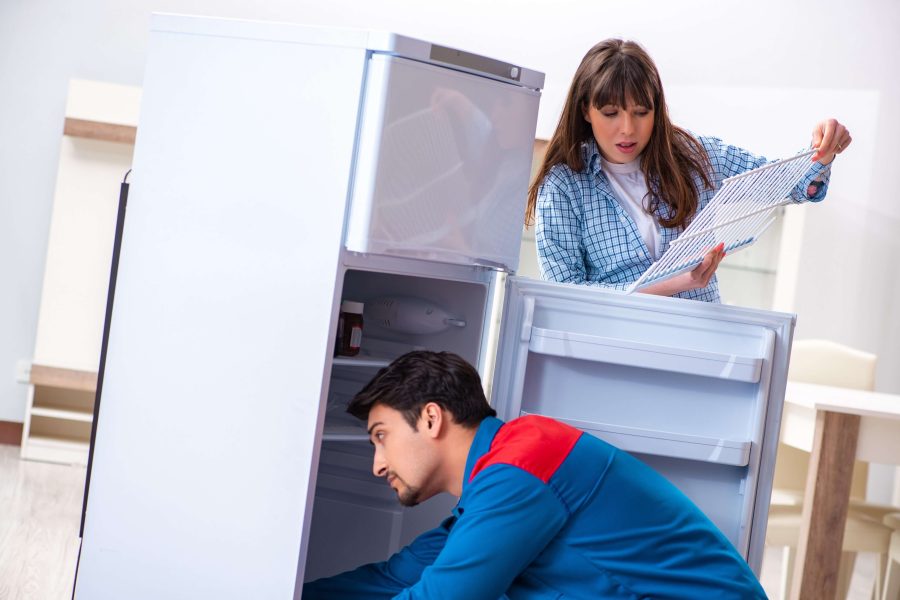
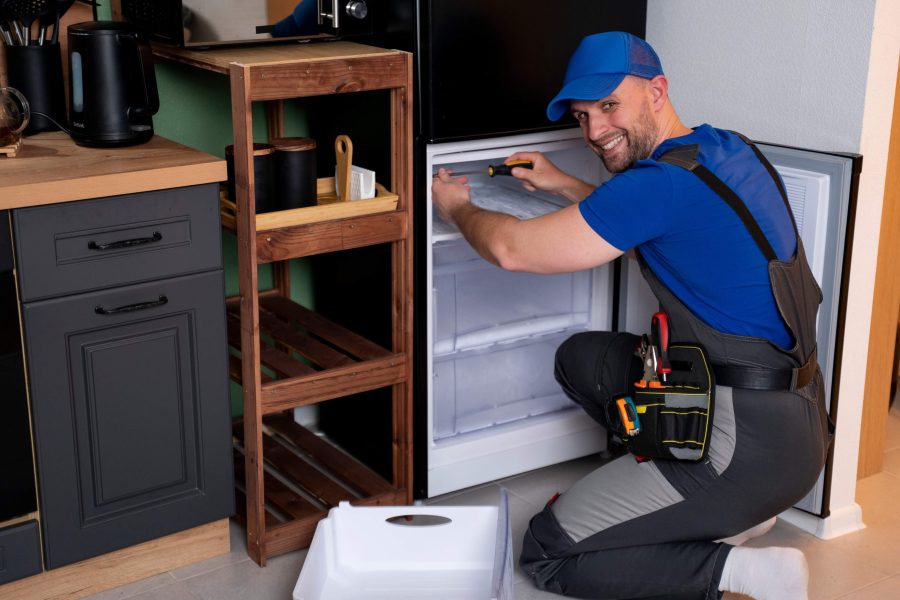
While some repairs, like gasket replacement, can be done by the business owner, certain issues require a professional. If the compressor shows signs of wear due to gasket failure or if doors require realignment, a qualified technician can ensure the repair is completed correctly.
In Conclusion
Regularly inspecting and repairing commercial refrigerator doors and gaskets can prevent costly energy expenses, ensure food safety, and extend the life of your refrigeration unit. Prioritizing these repairs protects your business’s investment and keeps operations running smoothly. For more complex repairs, don’t hesitate to reach out to a professional for help.